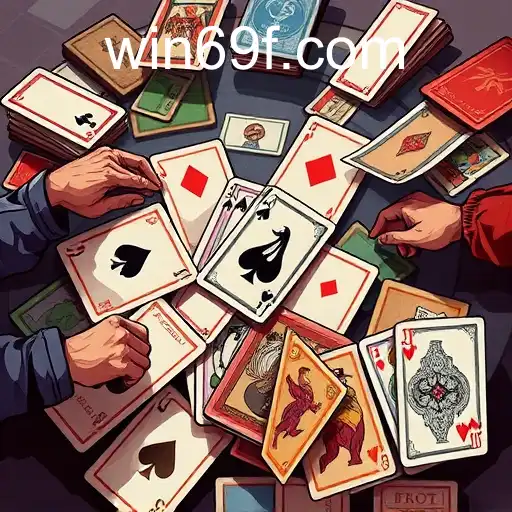
The Fascinating Universe of Card Games
Card games have long been a staple of entertainment and competition across cultures and generations. The enduring appeal of card games lies in their ability to blend strategy, chance, and social interaction into a uniquely engaging experience. They come in various forms, from traditional games, like Poker and Bridge, to more modern creations like Magic: The Gathering. Each of these games offers a distinct set of rules, strategies, and challenges, captivating players worldwide.
Understanding the Mechanics
At their core, card games rely on a set of mechanics that create strategic depth and replayability. These mechanics vary greatly from game to game, but common elements include hand management, deck construction, drafting, and bluffing. Understanding these mechanics is crucial to appreciating the complexity and nuance of card games.
Hand Management
In many card games, the ability to manage one’s hand effectively can be the difference between victory and defeat. This involves knowing which cards to hold, which to play, and, in some cases, which to discard. Games such as Bridge and Rummy exemplify the importance of hand management, requiring players to make strategic decisions based on the cards they possess and those they anticipate their opponents might have.
Deck Construction
Deck construction is another critical aspect of many card games, particularly those in the collectible card game (CCG) genre. Players must select which cards to include in their decks, balancing potential power with consistency. Magic: The Gathering is a prime example of a game that revolves around deck-building, where players construct decks from a vast pool of cards, each with unique abilities and synergies.
Drafting and Bluffing
Drafting involves selecting cards from a limited pool, adding an element of both strategy and luck to the process. This is a common feature in games like Dominion and the drafting format of Magic: The Gathering. Bluffing, on the other hand, is a psychological tactic where players mislead their opponents about their intentions or the strength of their hand, prevalent in games such as Poker.
The Cultural Impact
Card games have not only provided entertainment but also influenced various aspects of culture and society. They have served as tools for socialization, education, and even cultural expression.
The Social Aspect
Card games naturally lend themselves to social interaction. They provide opportunities for people to gather, communicate, and compete in a friendly or competitive environment. Whether it's a family game night or a competitive tournament, card games facilitate connections between people.
Educational Value
Beyond entertainment, card games also offer educational benefits. They can help develop critical thinking, problem-solving skills, and emotional intelligence. Many card games require players to calculate probabilities, plan strategies, and read opponents, skills that are transferable to real-life situations.
Cultural Expression
Card games often reflect cultural histories and values. Traditional games like Mahjong in East Asia or Tarot in Europe have deep roots in their respective cultures, representing traditions and customs passed down through generations.
Card Games in the Digital Age
The advent of the digital age has transformed the way card games are played and experienced. Online platforms have made these games more accessible, allowing players to connect and compete globally. This evolution is epitomized by platforms such as 69f PH Login, which provides an immersive digital environment for card game enthusiasts.
Online Platforms
With platforms like 69f PH Login, players can enjoy card games at any time and from anywhere. These platforms often include additional features such as online tournaments, leaderboards, and community forums, adding a new dimension to the gaming experience.
Benefits of Digital Card Games
Digital card games lower the barrier to entry, enabling more people to experience the thrill of card gaming. They also offer features like thematic expansions and regular updates, keeping the gameplay fresh and engaging. Furthermore, they provide advanced matchmaking algorithms to ensure that players are pitted against opponents with similar skill levels, enhancing the overall experience.
The Future of Card Games
As technology continues to evolve, the future of card games looks promising. Innovations in virtual reality and augmented reality may offer more immersive experiences, integrating card games into new environments and scenarios. These advancements will likely bring about new forms of gameplay, further expanding the boundaries of what card games can achieve.
Ultimately, whether through traditional means or digital platforms like 69f PH Login, card games will continue to thrive as a beloved pastime. They offer a universal appeal that transcends age, culture, and geography, consistently providing excitement, challenge, and community for players worldwide.